Caring For Dental Fillings
Who Needs Dental Fillings?
Most dental fillings can be used to treat cavities. Cavities are areas of tooth decay that are caused by bacteria. Your dentist can remove the decayed material from your tooth and repair the hole with a filling material. It stops further decay and protects the tooth from damage like cracks or chips. You may need to have your cavity filled if you notice any of these signs:
- A constant, dull toothache
- Sensitivity to hot and cold beverages and foods
- A blackish or brown spot appearing on your teeth's surface
- When you bite down on one tooth, it can cause sharp pain
- Bad breath that doesn't go away when you brush your teeth
Keep in mind that not all cavities cause the symptoms above. Many times, symptoms are not caused by cavities until the disease has progressed. See your dentist for regular teeth cleaning and checkup appointments. Your dentist can use tools such as x-rays and lasers to detect small, pinhole cavities before they cause any symptoms. It's often best to fill the cavities at this stage before they begin causing any symptoms, since they present a greater threat to the integrity of the tooth as they continue to grow larger.
Other than for cavities, tooth fillings may be necessary. Your dentist might recommend filling a chipped tooth. Some patients who grind their teeth eventually wear down their enamel to the point that a dental filling is needed to prevent further damage. Biting your nails and using your teeth to open packages may also cause enamel wear and chips that your dentist would need to fix with a filling.
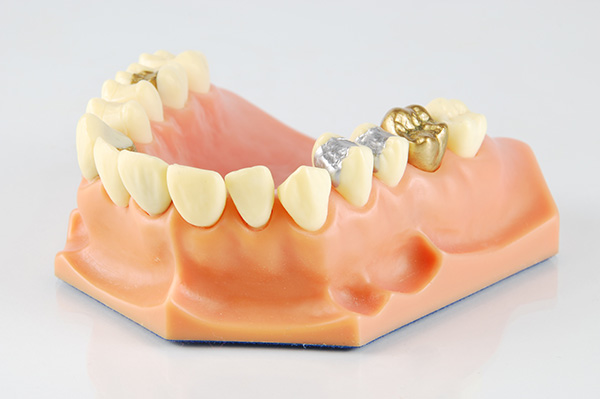
Caring For Dental Fillings
When you return home from the filling appointment, the anesthetic should wear off after about 1 to 3 hours. Although your jaw might feel a bit sore after the procedure, you shouldn't notice any pain. Some patients experience some sensitivity in the filled tooth, especially if the cavity was large, but this symptom should fade within a week or two.
A filling is a dental restoration that you need to take care of as if it were a healthy, normal tooth. Make sure you brush and floss the tooth daily to prevent oral bacteria from accumulating on or around the filling. See your dentist for teeth cleaning appointments every 6 months, and schedule regular checkups so that if your filling does become worn or damaged, your dentist is able to detect it early.
You should stay on the lookout for signs that your filling has become worn, chipped, or cracked. Contact your dentist if you develop any of these symptoms:
- The tooth was restored to its original condition.
- Pain when brushing or flossing
- When you bite down on a tooth that has been filled, it can cause pain.
- The filling material around the crown is darkened by dark coloring
- A cracking feeling in the filled tooth when biting down on something<
- Bad breath that doesn't go away when you brush your teeth
- Toothache
You can have the filling replaced if you contact your dentist immediately if there is any damage. However, if a damaged filling is left in the mouth for too long, bacteria may begin working their way between the filling and the tooth. In severe cases, this can cause extensive decay and may need a bigger filling. ?